
Where should a porta potty go on a job site or in a yard?
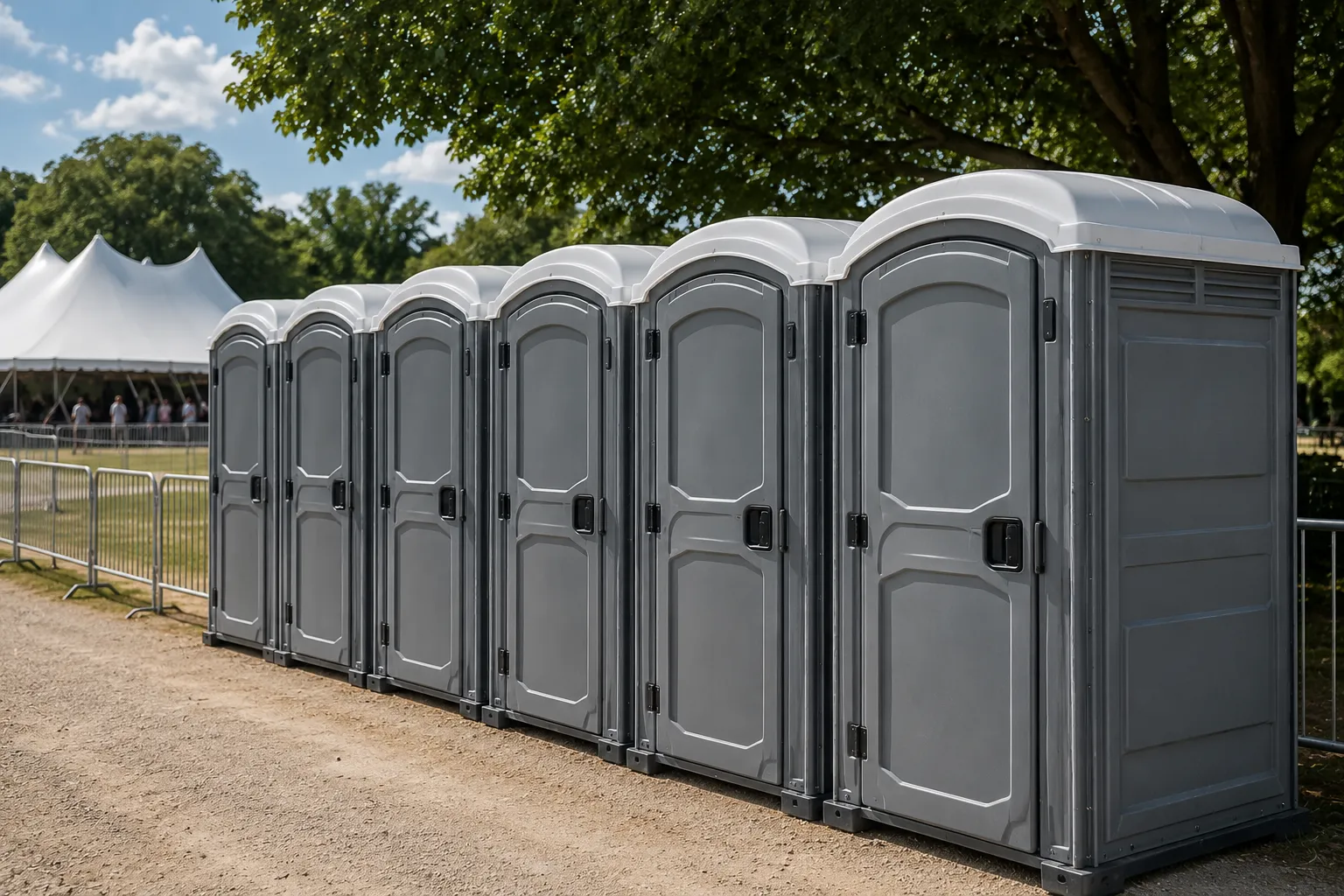
Pick level, stable ground first. ADA Standards section 302.1 calls for surfaces that are stable, firm and slip resistant, and that rule matters as much on a residential driveway as on a commercial pour. A standard porta potty rental footprint runs about 44 by 48 inches and stands roughly 92 inches tall, so give it a few extra feet of clearance on every side for the door swing and for the service tech's tank hose. On construction sites, OSHA 1926.51(c) sets the ratio, generally one unit per 20 workers, so placement has to account for how many units you're grouping, not just one. If you're placing near a restroom trailer rental or a bank of ADA accessible porta potty units, keep a straight, unobstructed route between them; a 60 inch turning circle per ADA Standards section 304.3.1 is worth building into the layout even where it isn't required. Avoid slopes, soft turf, and anywhere storm water pools after rain. For events, check our event restroom rental guide and the porta potty rental checklist before you finalize a site map.
Do I need a permit to place a porta potty or dumpster in La Crosse?
Placement in the public right of way, on a street, sidewalk, or city easement, needs confirming with the city before delivery day. We can't quote a citywide fee or ordinance number here because dumpster placement permit cost and porta potty permit rules vary by parcel and by whether the unit sits on private property or public land. If you're planning a roll-off dumpster rental alongside toilets, check dumpster permit requirements and confirm with the city separately from the porta potty question; the two permits aren't always the same process. For sites just outside city limits, like a jobsite 6.0 miles north in Onalaska or one 12.2 miles north in Holmen, permit rules run through that municipality instead of La Crosse. When in doubt, call before delivery. See porta potty permit requirements for what to ask the city, and lean on our request a quote team to help route the question to the right office.
How much clearance does delivery and service require?
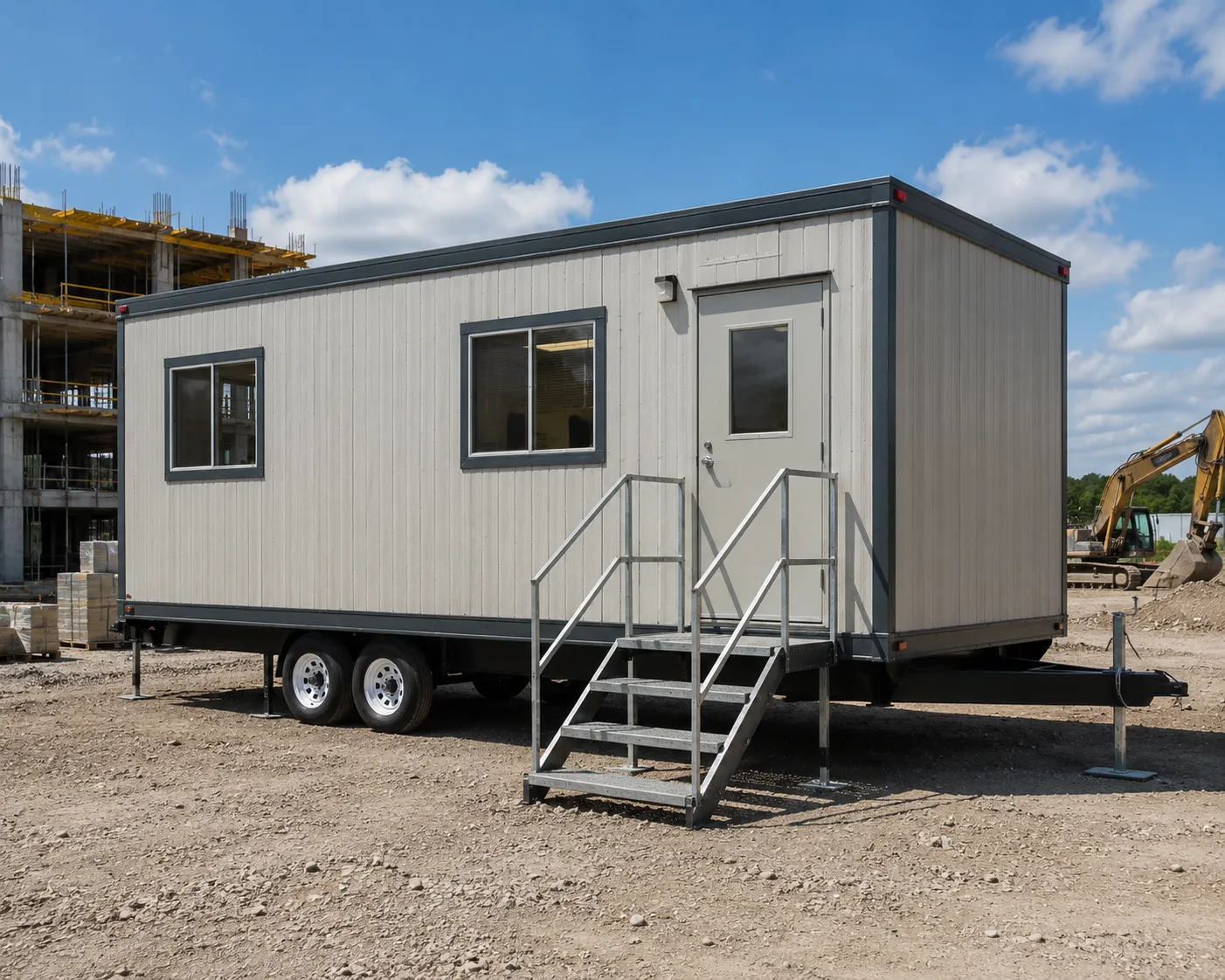
A roll-off delivery needs about 60 feet of straight clearance behind the truck, and that number drives a lot of placement decisions on tight urban lots. Porta potty placement rules follow the same logic on a smaller scale: the service truck needs a straight shot to the unit, not a three-point turn around parked cars or a fence line. If you're renting a temporary fence rental or chain link temporary fence around a work zone, leave a gate wide enough for the truck and don't box the units in behind it. For a storage container rental or a mobile office trailer rental, keep the same access lane in mind. Older mobile office trailer replacement doors sometimes swing wider than modern units, so measure the actual door before you set the trailer's final position, not just the trailer footprint. For handwashing station rental units, keep the ozark river portable sink replacement parts and refill access easy to reach too. Placement that ignores service access costs everyone time on pump day, whether that's a porta potty or a septic tank.
Where should septic and grease trap access points be placed?
Keep the pump truck's route to the tank lid as short and as flat as possible; this matters whether you're near La Crosse or dealing with a placerville septic pumping service style rural setup with a long gravel drive. A residential septic tank typically needs pumping every 3 to 5 years depending on tank size and household size, and a grease interceptor gets pumped once fats, oils, grease and solids hit 25 percent of the liquid depth. See septic tank cleaning, septic pumping service, and grease trap pumping for what each visit involves. If your property sits further out, say 13.5 miles northwest near Dresbach or 12.6 miles northwest toward Brice Prairie, factor that drive into scheduling, especially for emergency septic service calls. Mark the tank lid location clearly before the truck arrives; a hidden or buried access point is the single biggest cause of delay on a pumping visit in our experience across La Crosse properties.
How many porta potties does my site actually need?
Start with OSHA 1926.51(c): one unit per 20 workers on a standard construction crew, more as headcount climbs past 20. Events run differently; use headcount and duration together, and check how many porta potties do I need for the fuller breakdown.
Can I place a porta potty on a sloped or gravel surface?
Not ideally. ADA Standards section 302.1 calls for stable, firm, slip resistant ground, and a sloped unit risks tipping or pooling waste unevenly. Ask your delivery driver to check the pad before they leave.
Does the city require accessible units at every placement?
Where units are clustered, ADA Standards section 213.2 requires at least 5 percent to be accessible, never fewer than one. A single standalone unit on a small job typically doesn't trigger that rule.
What's the minimum clearance around a restroom trailer?
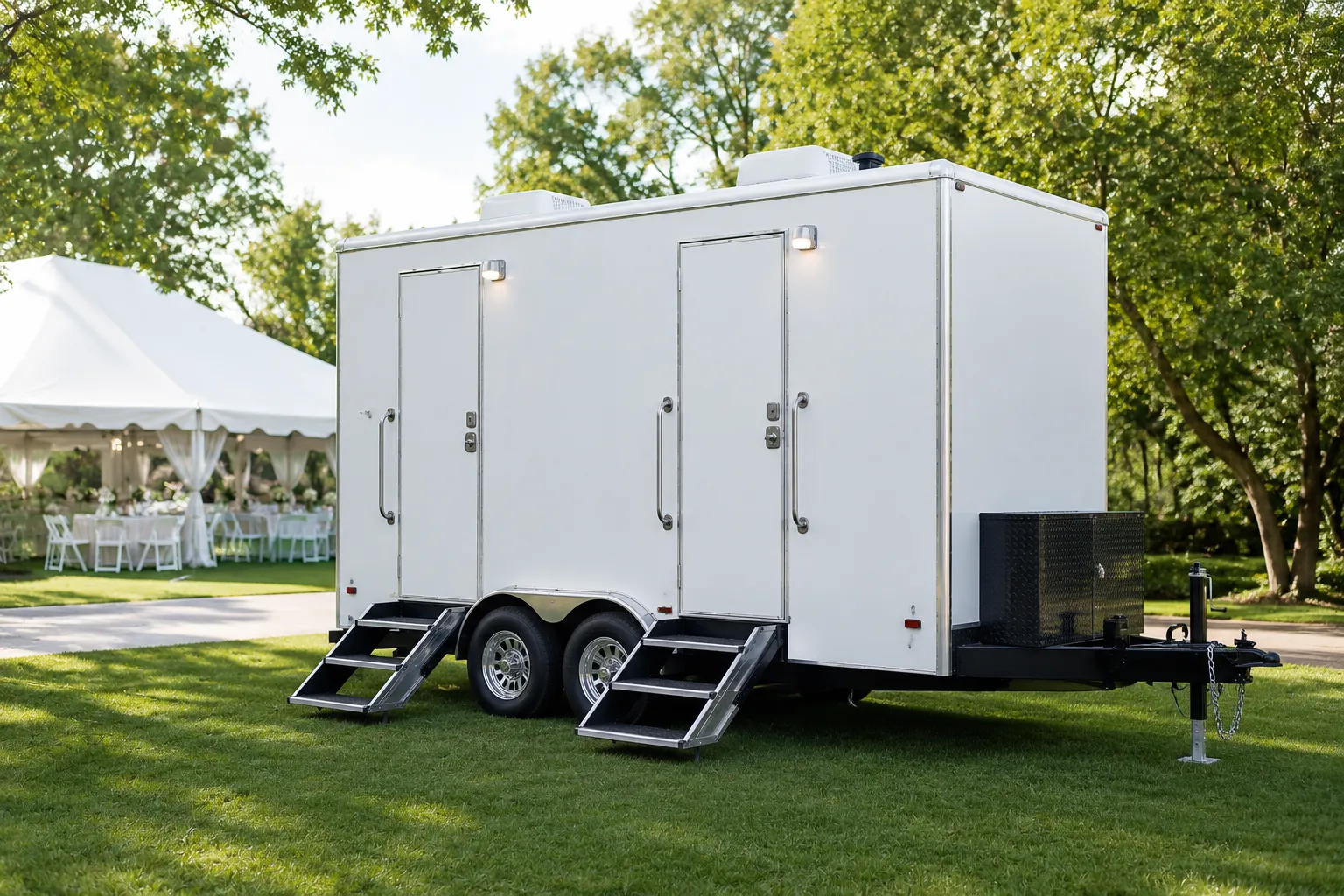
Plan for a 36 inch clear path per ADA Standards section 403.5.1 and a 32 inch door opening per ADA Standards section 404.2.3. Add extra room for hookups and service access on trailers with plumbing.
Who do I call to confirm placement rules in La Crosse?
Call the city directly before delivery day; right-of-way and permit rules aren't listed here because they vary by parcel. Our contact page can help route the question if you're not sure which department to ask.
Next step
Get a delivery date
Tell us the address, the dates and the headcount. We size the order and confirm the route.