
How Often Does A Septic Tank Need Cleaning?
A typical 1,000 gallon residential tank gets pumped every 3 to 5 years, driven by tank size and household size. A family of six fills a tank faster than a retired couple in the same house. If you added a garbage disposal, a hot tub, or a finished basement bathroom since your last pump, move toward the shorter end of that range. La Crosse Porta Pros sees plenty of tanks that were sized right for a 1970s household and are now serving a much bigger one, which is why our how often to pump a septic tank guide gets bookmarked by repeat customers.
Septic tank cleaning frequency also depends on what goes down the drain. Grease, wipes, and heavy laundry loads all shrink the working volume of a tank between visits. If you are unsure whether your system needs a pump now or can wait, our septic tank warning signs page walks through what backup, odor, and slow drains actually mean. For a straight answer on cost before you schedule, check septic tank pumping cost in La Crosse.
What Happens If You Skip A Pumping?
Skip it long enough and solids back up into the drain field, and that is the expensive failure. Once solids clog the leach field, you are not looking at a pump bill anymore, you are looking at a field replacement. That is a different order of cost entirely, and it is the same logic behind dumpster permit requirements when a failed field turns into a full site cleanup. Our septic tank cleaning service exists specifically to keep you on the pumping side of that line, not the replacement side.
Commercial kitchens face a related problem with grease interceptors instead of septic tanks. A grease interceptor gets pumped when fats, oils, grease, and solids reach 25 percent of the liquid depth, which for a busy kitchen in La Crosse can happen faster than owners expect. If you run a restaurant or catering operation, our grease trap pumping page covers that separately from residential septic service, and events on the same property often need event restroom rental units too.
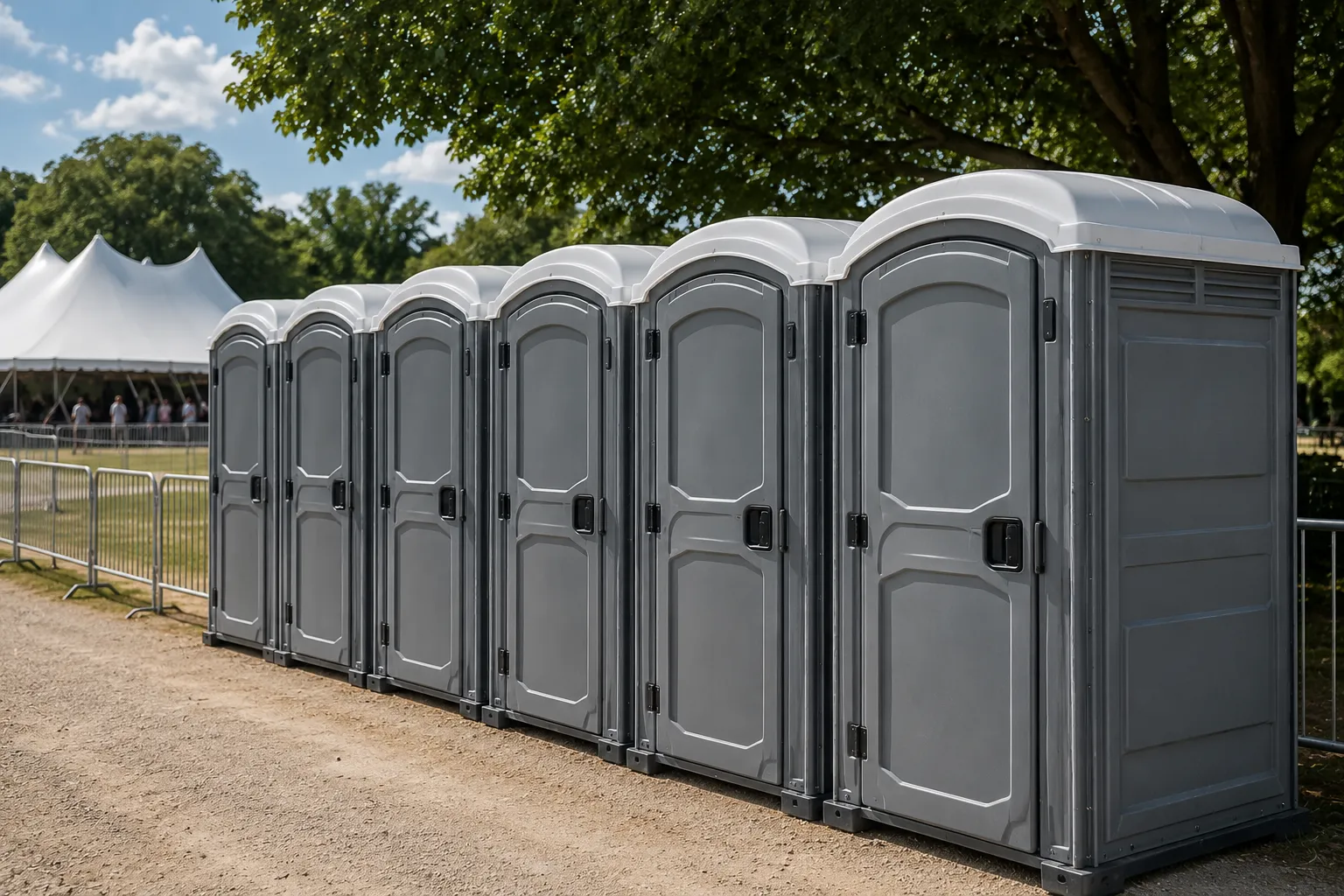
Homes without a working septic system, whether during construction or after a failure, still need a place for people to go. La Crosse Porta Pros rents holding tank rental units and standalone portable toilet rental units to bridge that gap while a system gets repaired or replaced, and a look at our portable restroom rental options shows what fits a driveway versus a full yard.
When Should You Call For Septic Service?
Call before you see problems, not after. Slow drains, gurgling pipes, and a soggy patch over the drain field are all signs the tank is past due, and by the time you notice them the tank may already be overfull. If it has been more than 5 years since your last pump, or you have never had the system serviced, that is reason enough to schedule now rather than wait for a backup, and our septic tank warning signs page is worth a second read before the calendar makes the decision for you.
Homeowners doing renovation work in La Crosse often need portable sanitation anyway while bathrooms are out of service. Our home renovation porta potty option covers that gap, and if the timeline is unclear, emergency septic service is available for households that need a same-week pump, with an emergency porta potty rental available on the same call. Farms around La Crosse have their own rhythm here too. Field sanitation rules under OSHA 1928.110 require potable water, toilets, and handwashing for hand-labor employees at one facility per 20 employees, within a quarter mile walk, which matters for anyone running a labor crew on agricultural land near town. Our farm and agricultural restrooms page covers that specific setup.
Is A Bigger Tank Worth Installing?
A larger tank stretches your interval between pumps, but it does not eliminate the need for regular service. Tank size is one half of the equation; household size and water use are the other half. A four-bedroom house with a 1,000 gallon tank and six residents will need pumping more often than the same tank serving two people, a pattern our septic tank pumping cost page breaks down by household size.
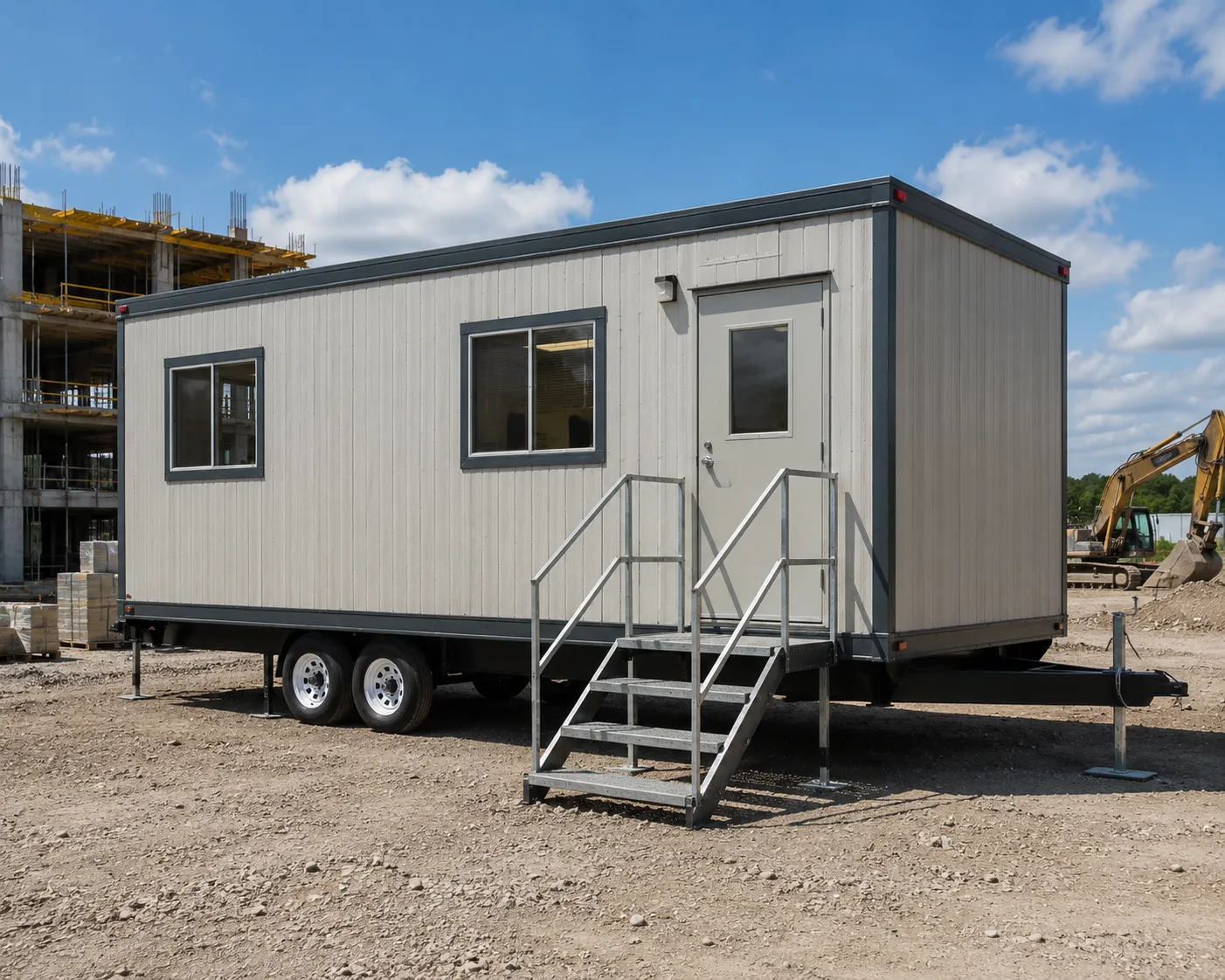
If you are building new or replacing a failed system in La Crosse, talk to a septic contractor about sizing before you pour concrete. In the meantime, if your project needs temporary facilities while the ground work happens, our construction site services page and porta john rental option both cover job site needs, our standard porta potty rental page covers the unit most crews start with, and OSHA 1926.51(c) sets the toilet ratios your crew has to meet on site regardless of what is happening with the septic install.
| Service | Typical Interval |
|---|---|
| Residential septic tank | Every 3 to 5 years |
| Grease interceptor (commercial) | At 25% FOG depth |
How do I know if my septic tank is full?
Slow drains, gurgling toilets, sewage odor near the drain field, and standing water over the tank area are the usual signs. If you notice more than one at once, schedule a pump soon. Waiting risks solids reaching the drain field, which is a far costlier fix than a routine pump.
Does household size change how often I need to pump?
Yes. A larger household uses more water and sends more solids into the tank, which fills it faster. Two people in a house with a 1,000 gallon tank might stretch past 5 years, while a family of six in the same tank may need service closer to every 3 years.
Can I pump my own septic tank?
No. Septic pumping requires a vacuum truck and proper disposal, which homeowners do not have access to. La Crosse Porta Pros handles pumping and disposal as part of septic pumping service, so you are not left improvising with equipment you do not own, the same way we handle roll-off dumpster rental for cleanup work homeowners cannot haul themselves.
What if I never had my tank inspected?
If you do not know your tank size or pump history, treat it as overdue. Many systems in older La Crosse homes were installed decades ago without documentation. A first inspection tells you tank condition and gives you a real baseline for future intervals.
Do commercial kitchens follow the same 3 to 5 year rule?
No. Grease interceptors follow a different standard tied to fats, oils, grease, and solids reaching 25 percent of the liquid depth, not a fixed year range. Restaurants typically need far more frequent service than residential septic tanks, sometimes monthly depending on volume.
Next step
Get a delivery date
Tell us the address, the dates and the headcount. We size the order and confirm the route.